How to Lubricate a Garage Door: Complete Maintenance Guide
Learning how to lubricate a garage door correctly is a decision that affects both the lifespan of your hardware and the daily comfort of your home, because a garage door that runs quietly and smoothly is also one that is less likely to fail when you need it most.
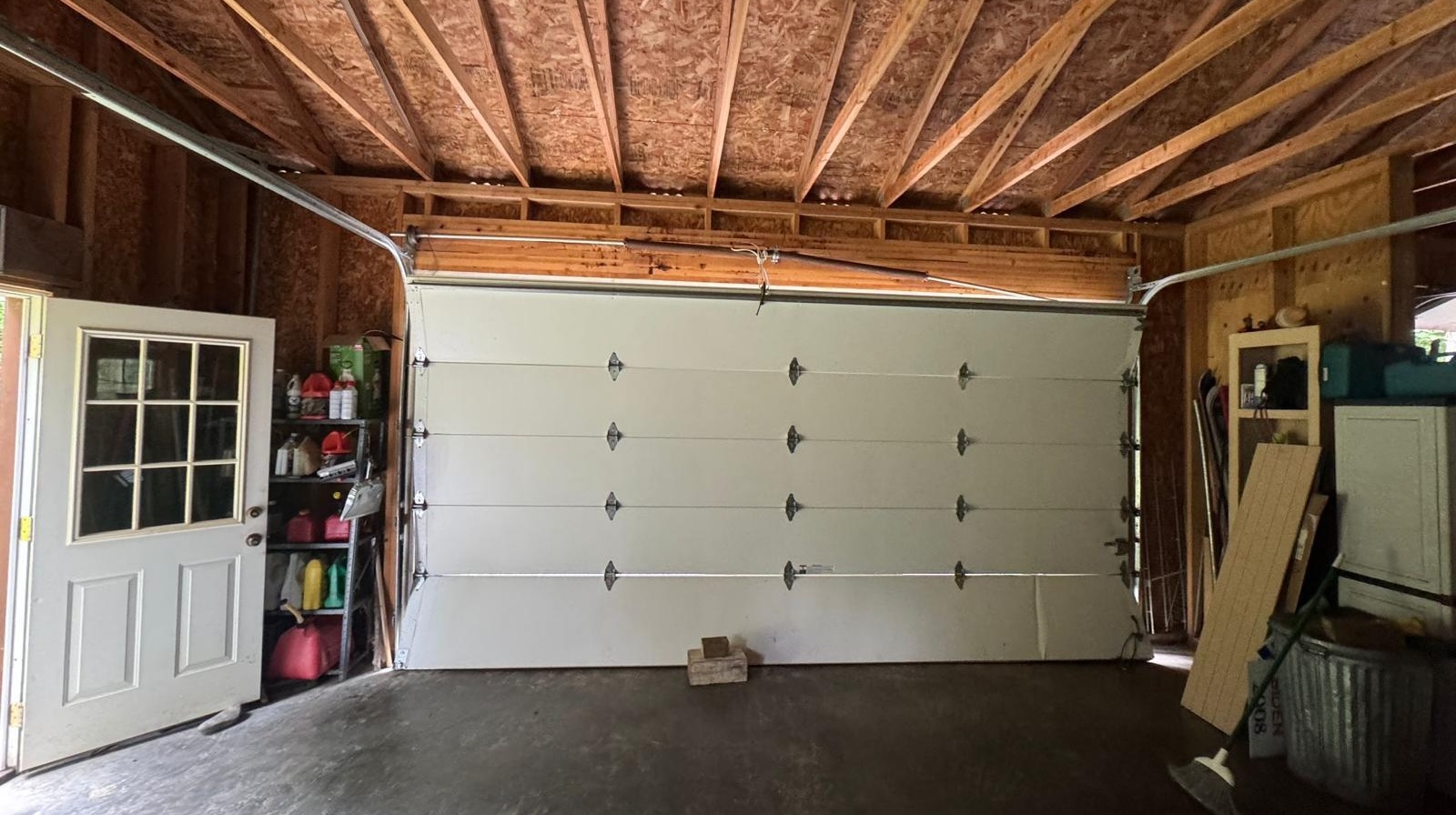
Homeowners in Washington often deal with persistent moisture working against metal components, while homeowners in Florida contend with heat, humidity, and salt air that accelerate wear in a different way, which is why a one-size-fits-all approach to garage door maintenance rarely produces the best results.
The sections below walk through exactly which components need attention, which products to use or avoid, and how to adjust your maintenance schedule based on whether you live in a rainy Pacific Northwest climate or a hot, hurricane-prone Florida one.
Why Regular Lubrication Matters
A garage door is one of the few home systems that completes dozens of full mechanical cycles every week, and every one of those cycles puts stress on rollers, hinges, springs, and bearings that are constantly rubbing, flexing, or rotating against metal. Because friction between these parts generates heat and gradually wears down protective coatings, a garage door that never gets lubricated will eventually develop the kind of grinding or rattling noise that signals a component is close to failing, which is exactly why keeping fresh garage door lube on these parts matters more than most homeowners realize. Routine garage door lubrication addresses several problems at once:
- Reduces mechanical friction, which lowers strain on the opener motor and can meaningfully extend the working life of a LiftMaster, Chamberlain, or Genie unit.
- Protects against corrosion, since a lubricant film acts as a barrier against moisture, and once rust forms on a torsion spring’s coils, the spring becomes weaker and less predictable under tension.
- Cuts down on noise, because dry metal-on-metal contact is the primary source of the squeaking and screeching that homeowners complain about, which matters more than it might seem when a garage sits beneath a bedroom or home office.
The tradeoff is that lubrication requires a small but real time investment several times a year, and skipping it does not cause immediate visible damage, which is why it is one of the most commonly neglected home maintenance tasks. Treating garage door lubrication as a seasonal habit rather than a reactive fix, however, is what separates a door that lasts 20 to 25 years from one that needs premature spring or roller replacement within a decade.
How Often You Should Lubricate a Garage Door
Most manufacturers, including LiftMaster and Genie, recommend that homeowners lubricate garage door hardware roughly every six months, but the right interval depends heavily on climate, usage frequency, and the age of the door itself.
| Situation | Recommended frequency |
|---|---|
| Standard residential use, moderate climate | Every 6 months (spring and fall) |
| High-frequency use (multiple daily cycles) | Every 3 to 4 months |
| Washington State (persistent rain and humidity) | Every 3 to 4 months, with extra attention after prolonged wet periods |
| Florida (heat, humidity, and hurricane season) | Every 3 to 4 months, plus an inspection immediately after any named storm |
| Doors older than 15 years | Every 3 months, since worn components need closer monitoring |
Homeowners near Seattle or Bellevue tend to notice that garage door hardware collects a fine layer of surface rust faster than it would in a dry climate, simply because the Pacific Northwest rarely goes more than a few days without measurable precipitation during the fall and winter months. In Florida, the concern shifts from rainfall to a combination of high ambient humidity and, in coastal areas like Miami or Tampa, airborne salt that speeds up oxidation on unprotected metal. In both cases, the underlying lesson is the same: climate should set your garage door maintenance calendar, not a generic six-month reminder that ignores where you actually live.
Choosing the Right Lubricant (And What to Avoid)
Finding the best lubricant for garage door hardware starts with understanding that not every product marketed as a lubricant belongs anywhere near a garage door, and using the wrong one can do more harm than skipping maintenance altogether. Garage door hardware operates under specific tolerances and loads, which is why not all garage door lubricants perform equally well across a torsion spring, a roller bearing, or a hinge carrying the weight of a 400-pound insulated door.
Best Lubricant Options
| Lubricant type | Best used on | Advantages | Drawbacks |
|---|---|---|---|
| Silicone-based spray | Hinges, rollers, springs, bearings | Dries clean, resists moisture, does not attract dust as much as grease | Needs slightly more frequent reapplication than grease |
| White lithium grease | Hinges, high-friction metal contact points | Longer-lasting film, strong performance under heavy load | Can attract dirt over time and is messier to apply cleanly |
| Garage door-specific lubricants | Full system application | Formulated for the exact materials and tolerances of garage door hardware | Typically costs more per ounce than general-purpose products |
A silicone-based spray is generally the safer default choice for most homeowners because it performs consistently in both the damp conditions common to Washington and the heat and humidity typical of Florida summers, while garage door grease in a white lithium formula is worth considering specifically for hinges on heavier insulated steel or wood doors that see constant flexing. Lithium grease garage door applications tend to last longer between reapplications than spray, though the tradeoff is a slightly messier application process.
Products to Avoid
- WD-40 and similar penetrating oils, because they are formulated as solvents to loosen rust, not as long-term lubricants, and they evaporate quickly while leaving surfaces more exposed to dust buildup.
- Standard motor oil or heavy automotive grease, because these products are too thick for the tight tolerances of roller bearings and tend to collect grit rather than repel it.
- Household cooking sprays, because they contain no rust-inhibiting compounds and break down within days when exposed to outdoor temperature swings.
Choosing the correct lubricant costs only a few dollars more upfront but prevents the buildup and premature wear that come from reaching for whatever spray happens to be sitting in the garage.
Step-by-Step Lubrication Process
This section covers how to grease garage door hinges, rollers, and drive components in the correct order, since knowing where to lubricate garage door parts, and where to leave them dry, separates a quiet, smooth-running door from one that squeaks within weeks. Before starting, disconnect the automatic opener and confirm the garage door is fully closed, since a door left partially open can shift unexpectedly once spring tension is disturbed by handling.
- Wipe down the tracks. Use a clean, dry or slightly damp cloth to remove dirt and grime from the vertical and horizontal tracks. Do not apply lubricant here, since a lubricated track surface can cause the rollers to slip rather than roll, which undermines the door’s alignment over time.
- Lubricate the roller bearings. Apply a short burst of garage door lubricant spray directly to the bearing at the center of each roller, not to the wheel surface itself, since the wheel-to-track contact point should stay dry to maintain proper traction.
- Treat the hinges. Spray the pivot point of each hinge where the two metal leaves meet, then cycle the garage door manually a few times so the lubricant works into the joint rather than sitting on the surface.
- Coat the springs lightly. Apply an even, light coating along the torsion spring’s coils or, for extension-spring systems, focus on the end hooks and mounting brackets. Avoid saturating the spring, since excess lubricant simply drips onto the floor without adding benefit.
- Service the opener drive. For a chain-drive system, such as a budget Genie unit, apply lubricant along the full length of the chain; for a belt-drive LiftMaster or Chamberlain opener, skip the belt entirely and instead lubricate only the moving metal parts, such as the drive gear, since belt material degrades when exposed to petroleum-based products.
- Address bearings and pulleys. Apply a small amount of lubricant to the end bearing plates and, on extension-spring systems, the cable pulleys, to reduce the grinding noise that develops as these components age.
- Cycle the door and check for excess. Open and close the garage door manually two or three times, then wipe away any lubricant that has dripped or pooled, since leftover residue attracts dust and can eventually stain a concrete floor.
Plan for roughly 20 to 30 minutes to complete a full lubrication cycle on a standard single-car garage door, and closer to 40 minutes on a double-car door with more hardware to service.
Why the Track Itself Should Stay Dry
One of the most common misunderstandings about garage door maintenance involves the track, and the confusion is understandable given how many lubricant products show tracks in their marketing imagery. The mechanical reality is that meaningful movement happens at the roller’s axle, where a metal or nylon shaft rotates inside a sleeve, not at the point where the roller’s outer wheel contacts the track. That wheel-to-track interface is designed to have minimal sliding friction in the first place, since the wheel should roll smoothly through the track’s curved channel rather than drag against it.
Applying grease for garage door tracks introduces a sticky film that attracts dust, grit, and debris, which then compounds into a gritty residue that can cause the roller to bind or skip rather than roll cleanly, ultimately increasing resistance instead of reducing it. Homeowners who want a quieter track without the mess of grease should consider upgrading worn steel rollers to nylon rollers, which run considerably quieter against the track by design and require no track-side lubrication at all.
Climate-Specific Considerations
Garage door hardware does not wear out at the same rate everywhere, since the two biggest environmental stressors, moisture and heat, affect Washington and Florida in very different ways, and the maintenance routine that works well in one state can fall short in the other.
Washington State
The defining maintenance challenge in Washington is sustained moisture rather than temperature extremes, since cities like Seattle and Bellevue average well over 150 rainy days per year, and that consistent dampness accelerates surface rust on exposed hinges, spring coils, and bearing plates. A silicone-based lubricant with strong moisture resistance is generally the better choice over lithium grease in this climate, since grease can trap moisture against metal surfaces rather than shedding it. Homeowners replacing hardware or an entire garage door in Washington should also keep in mind that doors with glazing must meet Washington State Energy Code U-factor requirements, U-0.31 for doors under 14% glazing and U-0.34 for doors between 14% and 50% glazing, which is a separate consideration from lubrication but relevant to overall door performance in a wet, cooler climate.
Florida
In Florida, heat and humidity work together to break down lubricant film faster than in drier climates, which is why quarterly reapplication tends to hold up better than the standard six-month interval, particularly in coastal metro areas like Miami, Tampa, and Orlando where salt-laden air adds an additional layer of corrosive stress on metal garage door hardware. Hurricane season adds a practical trigger for extra inspection, since even a garage door that performed normally before a storm can develop new noise or resistance afterward due to pressure changes or debris impact. It is also worth noting that garage doors installed in Florida’s Wind-Borne Debris Regions and High-Velocity Hurricane Zones, including Miami-Dade and Broward counties, must carry a Florida Product Approval or Miami-Dade Notice of Acceptance and pass large-missile impact testing under Florida Building Code Section 609.4, and these heavier, reinforced door assemblies often place additional strain on hinges and rollers, which reinforces the value of a disciplined lubrication schedule.
When to Call a Professional Instead of DIY
Lubrication itself is a task most homeowners can safely handle, but certain warning signs indicate that the garage door needs repair rather than routine maintenance, and lubricating around a damaged component will not fix the underlying problem. Watch for:
- A spring with visible gaps between its coils, a stretched appearance, or a loud popping sound during operation, since torsion springs hold enough stored energy to cause serious injury if handled without the correct tools and training.
- A bent or misaligned track, which affects how the rollers seat and cannot be corrected with lubricant.
- Frayed or fraying lift cables, which are a safety hazard rather than a maintenance item.
- A garage door that suddenly feels significantly heavier to lift by hand, which often points to a failing spring rather than dry hardware.
A standard diagnostic or repair service call typically runs between $150 and $400, depending on the issue, while a full torsion spring replacement is a job best left entirely to licensed technicians given the tension involved. If a garage door continues making noise or moving unevenly even after a thorough lubrication and cleaning pass, that persistence is itself a diagnostic signal worth taking seriously rather than dismissing as a one-time fluke.
Frequently Asked Questions
How often should I lubricate my garage door?
Every six months is the general baseline, but homes in consistently wet climates like Washington or hot, humid climates like Florida benefit from a shorter three-to-four-month cycle instead.
Can I use WD-40 on my garage door?
It is best avoided as a long-term lubricant, since it is formulated as a penetrating solvent that dries out quickly and leaves parts more exposed to dust and grit rather than protected from it.
Should I lubricate the garage door track?
No. The track should be wiped clean and kept dry, while lubrication should be applied to the roller bearings, hinges, springs, and opener drive components instead.
What is the best lubricant for a humid or coastal climate?
A silicone-based spray generally holds up better than grease in humid conditions, since it resists moisture without trapping it against metal surfaces the way grease can.
Is it safe to lubricate garage door springs myself?
Yes, applying a light coat of lubricant to springs is a safe DIY task, but any spring that looks damaged, stretched, or misaligned should be inspected and replaced by a licensed technician rather than serviced further.
How much does professional garage door maintenance cost?
A standard diagnostic or maintenance service call generally falls between $150 and $400, while spring replacement and other repairs are priced separately based on the parts involved.
Final Thoughts
Consistent lubrication is one of the lowest-cost, highest-value habits a homeowner can build into their seasonal garage door maintenance routine, since it directly protects the components most likely to fail under stress while keeping day-to-day operation quiet and smooth. Because Washington’s persistent moisture and Florida’s heat, humidity, and hurricane exposure create genuinely different maintenance demands, the right approach adjusts lubricant type and frequency to local conditions rather than following a single generic schedule.
If your garage door continues to stick, squeak, or move unevenly after a thorough lubrication, Skyline Garage Door Repair’s Washington and Florida teams are ready to diagnose the issue and recommend a repair built for your climate and code requirements — call Skyline Garage Door Repair for a free estimate today.